


Record
Text, a photo or the whole day in one message.
KidEat turns everyday food notes into a clearer picture over time. Portions, nutrition estimates and recognition stay approximate — not diagnosis, treatment or a parent grade.
It works only with what you record and stays honest about the limits of that picture.
Text, a photo or the whole day in one message.
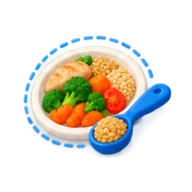
Foods, rough portions, calories and macros.

Days become a week where repetition is easier to see.
It is the share of a current reference covered by food recorded so far. Mornings are naturally incomplete. Illness, travel and unusual routines can make any day look different.
The percentage answers “what has reached the diary?” It does not answer “am I a good parent?”

Protein foods, grains and complex carbohydrates, vegetables, fruit and dairy, adjusted for restrictions entered by a parent.
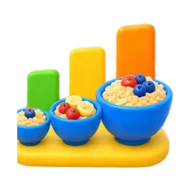
How recorded food compares with a broad age reference. It is not an individual calorie prescription.
An approximate protein, fat and carbohydrate balance from recognised foods and portions.

Different foods and dishes across the day, with a gentle penalty of up to 5% for excess sweets or ultra-processed foods.
Fluids are shown separately, so drinks do not inflate food volume, macros or variety. Water, drinks, soups and liquid foods contribute to their own approximate line.
Helps select the broad age context for the report.
Can refine the protein reference where the calculation supports it.
May be stored in the profile, but do not turn the report into a medical norm or individual prescription.
Come only from an adult. KidEat never guesses an allergy or intolerance from a photo.
It is more useful to see which groups repeat, what is regularly missing and where the family already has a reliable habit. One unusual plate rarely describes the whole diet.